
Mr. President, it is now the year 2026, and in just three days America will celebrate the 250th anniversary of Independence Day. If it were possible, what message would you wish to share with us?
The Question
Mr. President, it is now the year 2026, and in just three days America will celebrate the 250th anniversary of Independence Day. If it were possible, what message would you wish to share with us?
Washington's Response
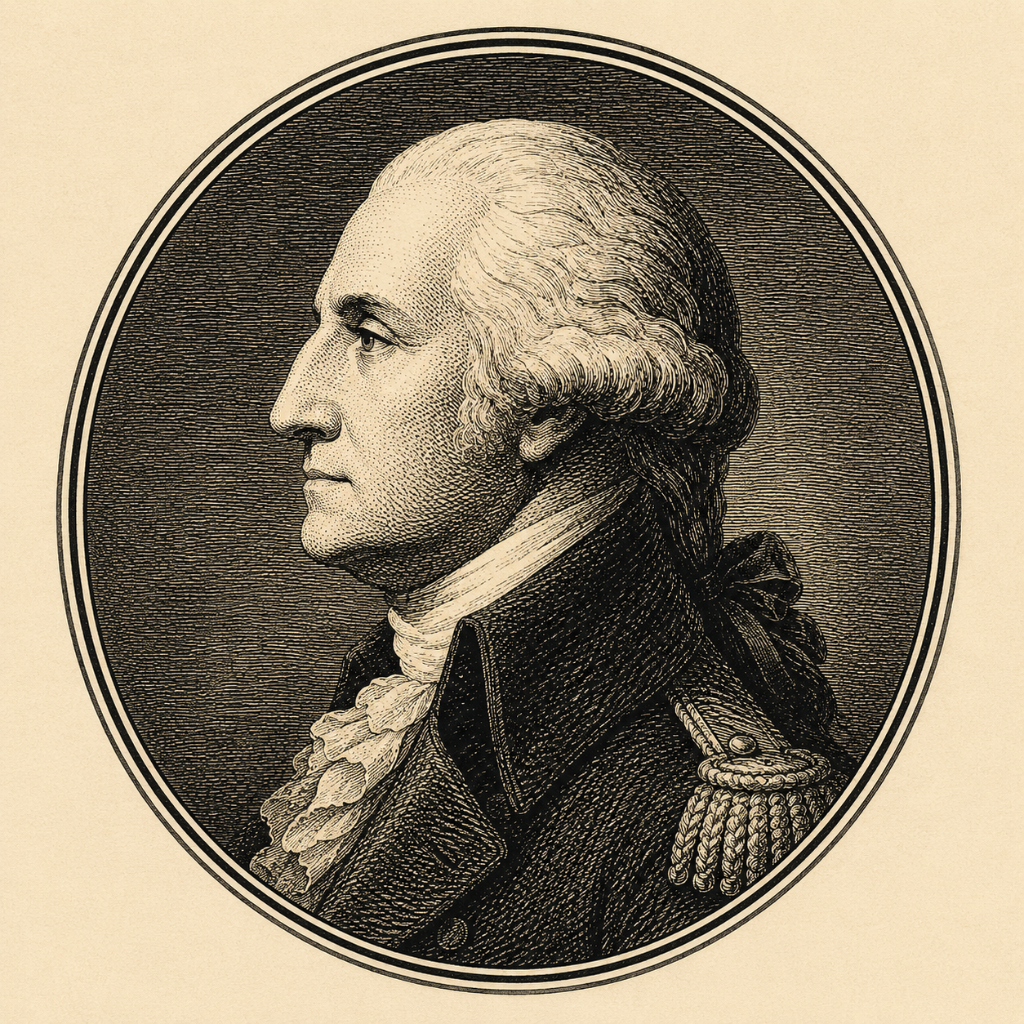
George Washington
First President of the United States
Though I am astonished to hear that two centuries and a half have passed since that momentous Declaration, I confess the question touches me deeply. That such an anniversary should arrive speaks to the very permanence of what we, in our day, could scarcely dare to hope for—that the independence we fought to secure has endured through the trials of so many generations.
In my time, I often reflected on what independence truly meant for our young nation. It was not merely separation from Britain, but the establishment of something far greater—a government founded on the principles of liberty, justice, and the consent of the governed. I wrote to a friend in the darkest days of our struggle:
The spirit of freedom rises too high in us to submit to slavery, and if nothing else would satisfy a tyrant and his diabolical ministry, we are determined to shake off all connexions with a state so unjust and unnatural.
Yet independence alone was never sufficient. After the war concluded, I told my officers:
We are now an independent people, and have yet to learn political tactics. We are placed among the nations of the earth, and have a character to establish; but how we shall acquit ourselves, time must discover.
Your arrival at this 250th anniversary suggests that America has indeed acquitted herself—that the experiment in republican government has proven more durable than its critics supposed. But I would urge your generation to remember the principles upon which that independence rests.
I wrote in my final public address to the nation:
Citizens by birth or choice, of a common country, that country has a right to concentrate your affections. The name of American, which belongs to you, in your national capacity, must always exalt the just pride of patriotism, more than any appellation derived from local discriminations. With slight shades of difference, you have the same religion, manners, habits and political principles. You have, in a common cause, fought and triumphed together; the independence and liberty you possess are the work of joint counsels, and joint efforts, of common dangers, sufferings and successes.
Union—the preservation of one nation under one constitution—was always my deepest concern. I feared that sectional jealousies and attachments to local interests would prove the undoing of all we had achieved. If your republic has survived 250 years, I trust it is because successive generations have understood that their strength lies not in division, but in their common identity as Americans.
I would remind you also that independence came at tremendous cost. When peace was finally secured, I wrote to the army:
A contemplation of the complete attainment (at a period earlier than could have been expected) of the object, for which we contended against so formidable a power, cannot but inspire us with astonishment and gratitude. The disadvantageous circumstances on our part, under which the war was undertaken, can never be forgotten. The singular interpositions of Providence in our feeble condition were such, as could scarcely escape the attention of the most unobserving; while the unparalleled perseverance of the armies of the United States, through almost every possible suffering and discouragement for the space of eight long years, was little short of a standing miracle.
We believed ourselves guided by Providence, and we were sustained by the conviction that our cause was just. Whatever your present circumstances, I would hope that you preserve a sense of gratitude for the inheritance you have received—purchased by the blood and sacrifice of those who came before.
Finally, I would counsel you to jealously guard that independence which your forefathers secured. When I left office, I hoped:
That every citizen would take pride in the name of an American, and act as if he felt the importance of the character, by considering, that we ourselves are now a distinct nation, the dignity of which will be absorbed, if not annihilated, if we enlist ourselves, farther than our obligations may require, under the banners of any other nation whatsoever.
Remain free. Remain united. Preserve the institutions of republican government. Cultivate virtue among the people—for without virtue, no constitution can long endure. And remember always that liberty is not merely the absence of oppression, but the presence of justice, administered impartially to all.
I wrote to the Hebrew Congregation of Newport that I wished to see America give "to bigotry no sanction, to persecution no assistance." Let justice and generosity be your guide in all your dealings, both domestic and foreign.
If I could stand among you on that 250th Independence Day, I would feel both gratitude for what has been preserved and hope for what yet may be achieved. I would remind you that independence is not a possession secured once and held forever, but a trust that each generation must maintain through vigilance, wisdom, and devotion to the common good.
May the blessing of Heaven rest upon your counsels, and may the government you have inherited continue to secure the liberty and happiness of the American people for centuries yet to come.
Historical Themes
Related Conversations
"Mr. President, today America celebrates the 250th anniversary of Independence Day. What do you hope every American remembers as they celebrate this day?"
4 min
Mr. President, what does it truly mean to be an American?
5 min
Mr. President, many Americans today worry that our nation has become deeply divided many years after its establishment. Would this have surprised you, and what counsel would you offer us?
3 min
Have a question for the General?
Ask George Washington