
"Mr. President, today America celebrates the 250th anniversary of Independence Day. What do you hope every American remembers as they celebrate this day?"
The Question
"Mr. President, today America celebrates the 250th anniversary of Independence Day. What do you hope every American remembers as they celebrate this day?"
Washington's Response
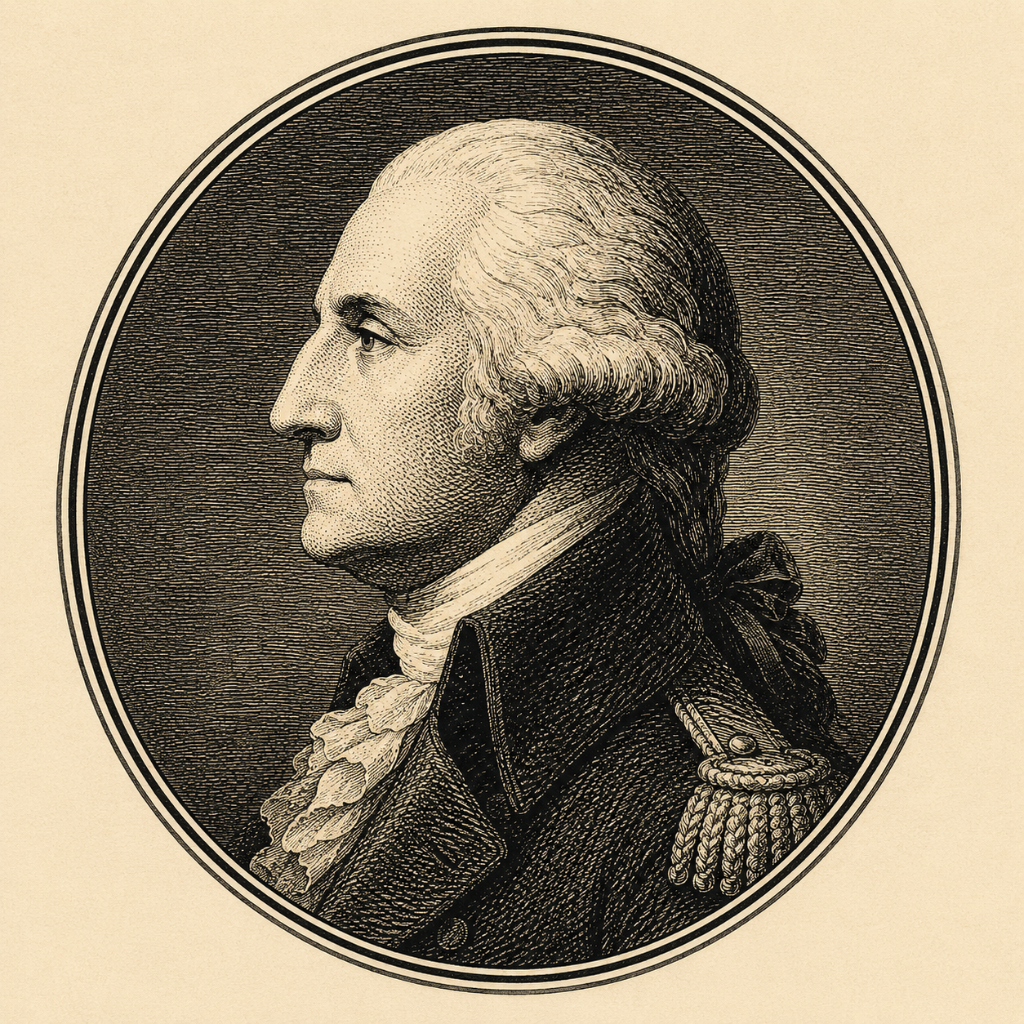
George Washington
First President of the United States
My dear friend, what a momentous occasion this must be—two hundred and fifty years since that Declaration which severed our political connexion with Great Britain and proclaimed to the world our resolve to stand as a free and independent people. Though I cannot foresee the circumstances of your time, I can speak to what I believe ought ever to be remembered by those who call themselves Americans.
First, let every citizen remember the sacred nature of the independence we achieved. It was not lightly won, nor was it inevitable. As I wrote to the armies at the close of our struggle:
"A contemplation of the complete attainment (at a period earlier than could have been expected) of the object, for which we contended against so formidable a power, cannot but inspire us with astonishment and gratitude. The disadvantageous circumstances on our part, under which the war was undertaken, can never be forgotten. The singular interpositions of Providence in our feeble condition were such, as could scarcely escape the attention of the most unobserving; while the unparalleled perseverance of the armies of the United States, through almost every possible suffering and discouragement for the space of eight long years, was little short of a standing miracle."
I have ever maintained that no people can be bound to acknowledge and adore the invisible hand, which conducts the affairs of men, more than the people of the United States. Every step by which they have advanced to the character of an independent nation, seems to have been distinguished by some token of providential agency. Let this grateful acknowledgment never be forgotten.
Second, I would have every American remember that the name of American must always exalt the just pride of patriotism, more than any appellation derived from local discriminations. As I declared in my Farewell counsel to the nation:
"Citizens by birth or choice, of a common country, that country has a right to concentrate your affections. The name of American, which belongs to you, in your national capacity, must always exalt the just pride of patriotism, more than any appellation derived from local discriminations."
Your independence and liberty were not the work of one region, one faction, or one class of men—they are the work of joint counsels, and joint efforts, of common dangers, sufferings, and successes. When I addressed our soldiers during the struggle, I reminded them:
"The provinces are all united to oppose the common enemy, and all distinctions sunk in the name of an American. To make this name honorable, and to preserve the liberty of our country, ought to be our only emulation; and he will be the best soldier and the best patriot, who contributes most to this glorious work, whatever his station, or from whatever part of the continent he may come."
Third, remember that independence means more than separation from Britain—it means the independence of our national character from all foreign influence. I wrote with some vehemence on this point:
"To me this is so demonstrable, that not a particle of doubt would dwell on my mind relative thereto, if our citizens would advocate their own cause, instead of that of any other nation under the sun; that is, if, instead of being Frenchmen or Englishmen in politics, they would be Americans, indignant at every attempt of either, or any other power, to establish an influence in our councils, or presume to sow the seeds of discord or disunion among us."
And again, when the passions of European contests threatened to divide us:
"I want an American character, that the powers of Europe may be convinced we act for ourselves, and not for others."
Let every citizen on this anniversary take pride in the name of an American, and act as if he felt the importance of the character, by considering that we ourselves are now a distinct nation, the dignity of which will be absorbed, if not annihilated, if we enlist ourselves under the banners of any other nation whatsoever.
Finally, remember the blessings of political independence, which were achieved not by Providence alone, but through the animated spirit of freedom and the firm temper of our citizens. As I wrote:
"To the animated spirit of freedom, that pervades our country, and to the firm temper of our citizens, which braved all dangers in defence of their privileges (under the protecting care of divine Providence), are we indebted for the blessings of political independence."
On this great anniversary, let every American look back with gratitude, look around with satisfaction at the establishment we have secured, and look forward with confidence that—if we remain true to our principles, maintain our union, and preserve our independence from foreign intrigue—the experiment of self-government shall continue to prosper and prove a blessing to mankind.
I am, with sincere affection and esteem, your devoted servant.
Primary Sources Used
Address to Army of the United States, April 18, 1783
The Writings of George Washington · Vol. VIII · p. 492
"A contemplation of the complete attainment (at a period earlier than could have been expected) of the object, for which we contended against so formidable a power, cannot but inspire us with astonishment and gratitude. The disadvantageous circumstances on our part, under which the war was undertaken, can never be forgotten. The singular interpositions of Providence in our feeble condition were such, as could scarcely escape the attention of the most unobserving; while the unparalleled perseverance of the armies of the United States, through almost every possible suffering and discouragement for the space of eight long years, was little short of a standing miracle."
Address to Congress, April 30, 1789
An Essay on the Life of George Washington · Vol. BANCROFT · p. 569
"No people can be bound to acknowledge and adore the invisible hand, which conducts the affairs of men, more than the people of the United States. Every step by which they have advanced to the character of an independent nation, seems to have been distinguished by some token of providential agency."
Address to The People of the United States, September 17, 1796
An Essay on the Life of George Washington · Vol. BANCROFT · p. 477
"Citizens by birth or choice, of a common country, that country has a right to concentrate your affections. The name of American, which belongs to you, in your national capacity, must always exalt the just pride of patriotism, more than any appellation derived from local discriminations."
Farewell to The People of the United States, September 17, 1796
The Writings of George Washington · Vol. XII · p. 219
"With slight shades of difference, you have the same religion, manners, habits, and political principles. You have in a common cause fought and triumphed together; the Independence and Liberty you possess are the work of joint counsels, and joint efforts, of common dangers, sufferings, and successes."
Order to Continental Army, August 1, 1776
The Writings of George Washington · Vol. IV · p. 26
"The provinces are all united to oppose the common enemy, and all distinctions sunk in the name of an American. To make this name honorable, and to preserve the liberty of our country, ought to be our only emulation; and he will be the best soldier and the best patriot, who contributes most to this glorious work, whatever his station, or from whatever part of the continent he may come."
Letter to William Heath, May 20, 1797
The Writings of George Washington · Vol. XI · p. 200
"To me this is so demonstrable, that not a particle of doubt would dwell on my mind relative thereto, if our citizens would advocate their own cause, instead of that of any other nation under the sun; that is, if, instead of being Frenchmen or Englishmen in politics, they would be Americans, indignant at every attempt of either, or any other power, to establish an influence in our councils, or presume to sow the seeds of discord or disunion among us."
Letter to Patrick Henry, October 13, 1794
The Writings of George Washington · Vol. XI · p. 83
"In a word, I want an American character, that the powers of Europe may be convinced we act for ourselves, and not for others."
Memorandum to General public (Farewell Address draft), May 15, 1796
The Writings of George Washington · Vol. XII · p. 392
"That every citizen would take pride in the name of an American, and act as if he felt the importance of the character, by considering, that we ourselves are now a distinct nation, the dignity of which will be absorbed, if not annihilated, if we enlist ourselves, farther than our obligations may require, under the banners of any other nation whatsoever."
Address to The Board of Trustees of Dartmouth College, August 1, 1789
The Writings of George Washington · Vol. XII · p. 164
"To the animated spirit of freedom, that pervades our country, and to the firm temper of our citizens, which braved all dangers in defence of their privileges (under the protecting care of divine Providence), are we indebted for the blessings of political independence."
Historical Themes
Related Conversations
Mr. President, what does it truly mean to be an American?
5 min
Mr. President, it is now the year 2026, and in just three days America will celebrate the 250th anniversary of Independence Day. If it were possible, what message would you wish to share with us?
4 min
Mr. President, many Americans today worry that our nation has become deeply divided many years after its establishment. Would this have surprised you, and what counsel would you offer us?
3 min
Have a question for the General?
Ask George Washington