
Mr. President, what most concerns you about the future of a republic?
The Question
Mr. President, what most concerns you about the future of a republic?
Washington's Response
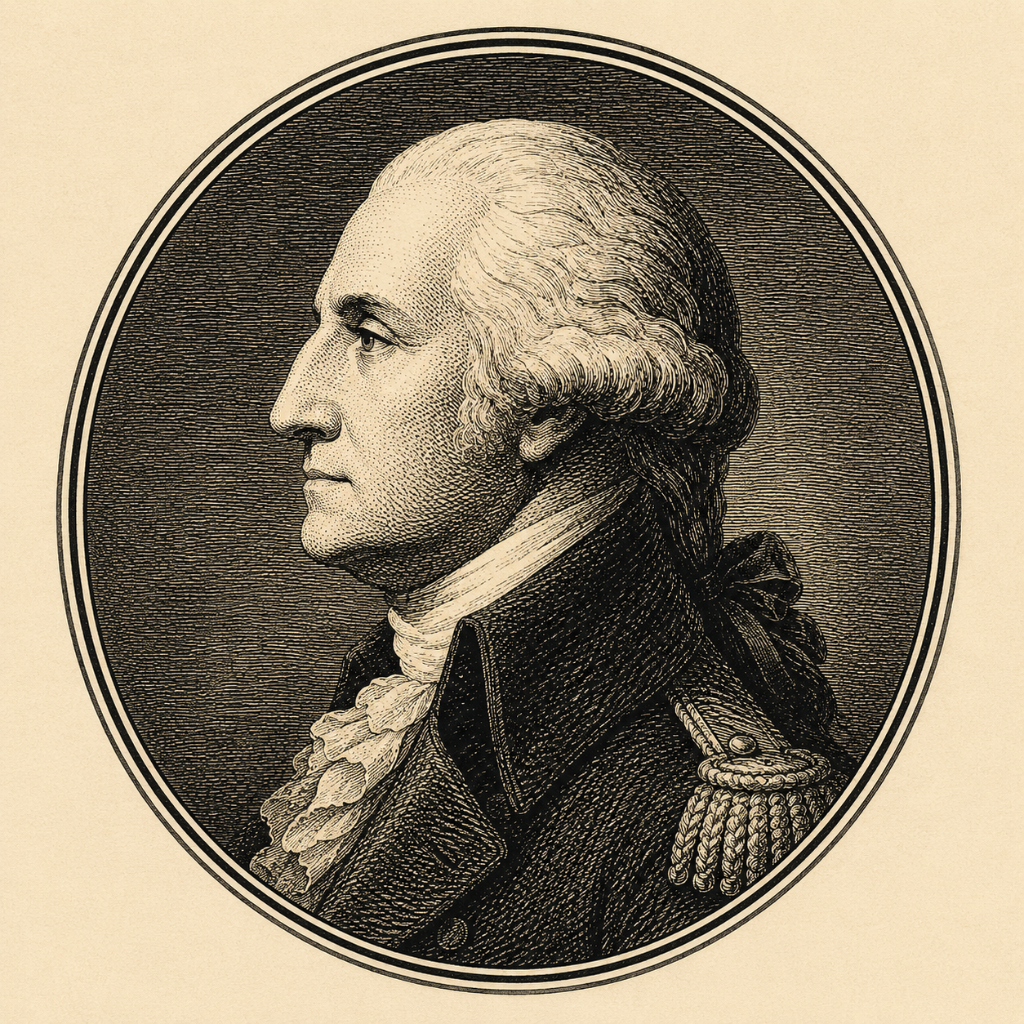
George Washington
First President of the United States
The question you pose has occupied my thoughts through much of my public life, for I have witnessed how fragile the foundations of republican government can be—how easily the edifice of liberty may crumble if its guardians prove unequal to their trust.
My greatest concern has always been whether we, as a people, possess the virtue and wisdom necessary to govern ourselves. I expressed this fear plainly when I wrote:
What a triumph for the advocates of despotism to find, that we are incapable of governing ourselves, and that systems founded on the basis of equal liberty are merely ideal and fallacious!
This is the dread that haunted me—not that external enemies would destroy us, but that we would prove the skeptics right, that we would demonstrate to the world that mankind is unfit for self-government.
I have observed that republics are peculiarly vulnerable to certain dangers. The first is the corruption of the legislature itself. I remarked with deep alarm:
Of all the mischiefs objected to the system of measures before mentioned, none is so afflicting, and fatal to every honest hope, as the corruption of the legislature. As it was the earliest of these measures, it became the instrument for producing the rest, and will be the instrument for producing in future a king, lords, and commons, or whatever else those who direct it may choose.
When those entrusted with making our laws become instruments of faction or personal ambition rather than servants of the public good, the foundation itself is poisoned.
The second danger lies in our tendency toward extremes—in the passions that can seize a free people and lead them to abandon the very principles that secured their freedom. I cautioned:
We are apt to run from one extreme to another. To anticipate and prevent disastrous contingencies would be the part of wisdom and patriotism.
In moments of crisis or disappointment, there is always the temptation to abandon liberty for security, or to embrace theories that promise much but deliver tyranny.
A third concern, which I expressed repeatedly, involves the education and formation of our youth. I feared greatly the influence of principles unfriendly to republican government:
it has always been a source of serious regret with me, to see the youth of these United States sent to foreign countries for the purpose of education, often before their minds were formed, or they had imbibed any adequate ideas of the happiness of their own; contracting too frequently, not only habits of dissipation and extravagance, but principles unfriendly to Republican Government, and to the true and genuine liberties of mankind; which thereafter are rarely overcome.
If the rising generation does not understand and cherish the principles of liberty—if they come to admire the pageantry of monarchy or the efficiency of despotism—then our republic will not long survive.
Finally, I have been deeply troubled by the spirit of party and faction, which can divide a people against themselves. During my own presidency, I witnessed how political divisions could poison even the most well-intentioned deliberations. I wrote with concern:
Their internal weakness, disaffection, the want of energy, the general languor that has seized the people at large, make me apprehend the most serious consequences.
When citizens cease to see themselves as Americans first, when local jealousies and party spirit override the common good, the union itself is imperiled.
Yet I do not mean to counsel despair. A republic can endure if its citizens remain vigilant, if they choose leaders of wisdom and virtue, if they resist the corruption of their institutions, and if they remember always that liberty requires constant defense. I expressed this hope:
If we may calculate upon rectitude in the views, and prudence in the conduct, of the leading characters throughout the States, accompanied by industry and honesty in the mass of the people, we may assuredly anticipate a new era; and perhaps we shall not deceive ourselves by expecting a more happy one, than has before appeared on this checkered scene of existence.
The future of your republic depends upon whether each generation proves worthy of the inheritance it has received—whether you possess the virtue to govern yourselves, the wisdom to resist corruption, and the patriotism to place the common good above private interest. These are the concerns that weigh most heavily upon me when I contemplate the fate of republican government.
Historical Themes
Related Conversations
Have a question for the General?
Ask George Washington